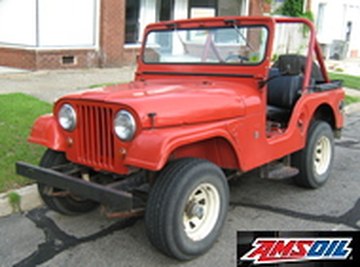
Engine Lubrication and Maintenance for the 1981 Jeep DJ-5 4.2L
Maintaining a vehicle like the 1981 Jeep DJ-5 requires a consistent approach to mechanical oversight, particularly regarding the lubrication systems that support the 4.2L engine. As vehicles age, the focus of maintenance often shifts from simple part replacement to a more observant style of care, where the condition of fluids and the integrity of various seals become primary indicators of engine health.
Monitoring Fluid Integrity and Potential Leaks
One of the most effective ways to monitor the condition of an engine is through regular visual inspections. For the 1981 Jeep DJ-5, checking for signs of fluid seepage or leakage is a fundamental task. Rather than waiting for a significant loss of lubricant, owners should look for evidence of dampness around various sealing surfaces and gaskets. Small amounts of seepage can often be identified early before they escalate into more pressing issues.
When performing these inspections, it is useful to check the following areas:
- Sealing Surfaces: Inspect the junctions where major engine components meet to look for any signs of weeping or residue.
- Drain Areas: Examine the area beneath the vehicle after it has been parked for an extended period to identify any active drips.
- Fluid Appearance: If the oil is checked via a dipstick, note its color and consistency. Significant changes in how the lubricant looks can be associated with various internal processes or contamination.
It is important to remember that visible symptoms, such as a small puddle or an unusual odor, can have multiple causes. A leak might indicate a failing seal, but it could also be related to a loose component or a gasket that has become brittle over time. Investigation should always be thorough rather than assuming a single point of failure.
Managing Long-Term Engine Health
For an owner of a 1981 Jeep DJ-5, establishing a maintenance baseline is a practical way to manage the vehicle's longevity. If the previous service history is unknown, the first step should be to document the current state of all vital fluids and components. This creates a reference point that allows you to notice changes over months or years.
As the engine ages, maintenance priorities may shift based on actual observed conditions rather than just chronological age. For example, if an inspection reveals that certain hoses are becoming soft or that electrical connections show signs of oxidation, these should be addressed according to their condition. Similarly, monitoring how much lubricant the engine uses between service intervals can provide valuable insight into its internal state. If you notice a change in consumption patterns, it warrants a closer look at the engine's seals and rings.
Keeping detailed records of every oil change, filter replacement, and any observed seepage helps in making informed decisions about future repairs. This documentation is particularly useful when distinguishing between necessary preventive maintenance and parts that may still have significant service life remaining.
Observing Potential Warning Signs
While routine inspections are the first line of defense, certain signs require more immediate attention. If you notice unusual mechanical noises during operation, this can be associated with various lubrication or mechanical issues and should be investigated promptly. Similarly, any sudden changes in how the engine performs or sounds may indicate that a component requires service.
If equipped with warning indicators on the dashboard, pay close attention to any lights that illuminate during operation. An oil-related warning light is a critical signal that necessitates immediate investigation to prevent potential damage. Furthermore, if you observe changes in exhaust characteristics, such as smoke that appears different from the normal operating state, this can be an indicator of how the engine is managing its internal fluids and should not be ignored.
Practical Inspection of Engine Accessories
Beyond the lubrication system, a comprehensive maintenance routine for the 4.2L engine includes checking the components that support its operation. If equipped, accessible drive belts should be inspected regularly for signs of wear, such as cracking, glazing, or fraying. These belts are essential for driving various accessories, and their condition is vital to the overall reliability of the engine system.
Additionally, if the vehicle is equipped with various hoses, these should be checked for signs of hardening, swelling, or leaks. Maintaining the integrity of the cooling and vacuum systems is just as important as maintaining the lubrication system for ensuring the engine operates within its intended parameters. Checking electrical connections for cleanliness and tightness can also prevent intermittent issues that might otherwise be difficult to diagnose.
Selecting Lubricants for the 4.2L Engine
When it comes to choosing a lubricant, the goal is to find a product that maintains stability under the operating conditions of your specific engine. While many modern formulations exist, including synthetic and synthetic-blend options, the choice should be guided by the application requirements of the vehicle. Some high-mileage oil formulations contain additives intended for use in aging engines, such as seal-conditioning agents, which may be a consideration for older vehicles showing signs of minor seepage.
The quality of the lubricant is also paramount. Look for products that meet current industry standards to ensure they provide adequate protection against oxidation and deposit formation. A high-quality lubricant helps manage the internal environment of the engine by resisting the buildup of sludge and other contaminants that can occur over long periods of service.
Buying Engine Oil for your 1981 Jeep DJ-5 4.2L
To ensure the best possible care for your engine, always match the engine oil to the application-specific viscosity information shown on this page. It is essential to verify that any product you purchase aligns with the specific requirements listed in the technical data provided above. Before completing a purchase, carefully check the product labeling to confirm it meets the necessary specifications and provides the appropriate level of protection for your 4.2L engine. Avoid making assumptions based solely on the age of the vehicle; instead, rely on the specific application details provided here to make an informed selection.